
Muscle Preservation on Semaglutide: Why It Matters More Than the Scale
September 14, 2026
If you are losing weight on semaglutide, it is easy to watch the scale as your main measure of success. The number goes down, and it feels like progress. But weight loss is not just about fat. Some of that number can come from muscle, and muscle plays a much bigger role in your health than most people realize. Muscle preservation on semaglutide deserves just as much attention as the pounds you are losing.
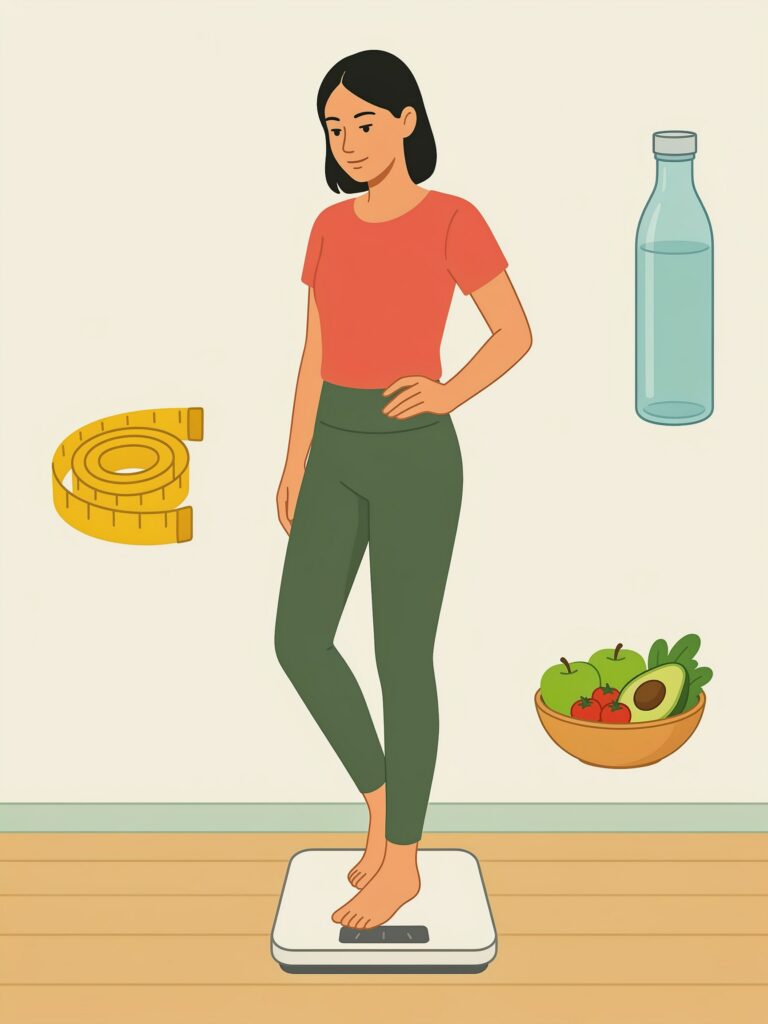
What the Scale Doesn’t Tell You
The scale measures total body weight, but it cannot tell you what kind of weight you are losing. When you lose weight, your body sheds a mix of fat, water, and lean tissue, which includes muscle. Two people can lose the same 20 pounds and end up in very different places. One may have lost mostly fat and kept their strength. The other may have lost a meaningful amount of muscle along with the fat, even though the scale shows the same result.
This is why body composition, not just body weight, gives a fuller picture of progress.
What Research Shows About Muscle Loss on Semaglutide
Studies on semaglutide and body composition show a mixed but reassuring picture.
Data from major semaglutide trials found that roughly 40 percent of total weight lost was lean mass, which includes muscle. That sounds concerning on its own, but the same trials found that the overall ratio of lean mass to total body weight actually improved. In other words, participants lost more fat than muscle overall, even though some muscle loss occurred.
A more recent study called SEMALEAN followed patients on semaglutide for a full year and found a similar pattern. Lean mass dropped somewhat in the first seven months, but then stabilized. By twelve months, grip strength, a common way to measure muscle function, had actually improved. The percentage of patients with a condition called sarcopenic obesity, which means having both excess fat and low muscle mass, dropped from 49 percent at the start of treatment to 33 percent a year later.
It is worth noting that some muscle loss happens with almost any significant weight loss, whether from a medication, diet, or surgery. This is not unique to semaglutide. What matters most is what you do during treatment to protect the muscle you have.
Why Muscle Matters Beyond How You Look
Muscle is not just about appearance or strength at the gym. It plays several roles in long term health.
Metabolism
Muscle tissue burns more energy at rest than fat tissue. Losing muscle can lower your resting metabolic rate, which may make it harder to keep weight off over time.
Blood sugar regulation
Muscle is one of the main places your body stores and uses glucose. Preserving muscle supports better blood sugar control, which matters for anyone managing weight, prediabetes, or type 2 diabetes.
Bone health
Muscle and bone work together. Strength training that builds or maintains muscle also helps protect bone density, which becomes more important with age.
Everyday function
Muscle is what lets you carry groceries, climb stairs, and stay independent as you get older. Losing significant muscle can affect balance, energy, and quality of life, even if the scale looks good.
The goal of weight loss treatment is not just a smaller number. It is a healthier, stronger body that can support you for years to come.
How to Protect Your Muscle While Losing Weight
The good news is that muscle preservation on semaglutide is very achievable with a few consistent habits.
Prioritize protein
Research suggests aiming for roughly 1.2 to 1.6 grams of protein per kilogram of body weight each day, spread evenly across meals. Since semaglutide often reduces appetite, this can mean choosing protein-dense foods in smaller portions rather than large meals. Eggs, Greek yogurt, fish, poultry, tofu, and protein shakes are practical options when your appetite is limited.
Make resistance training a habit
Strength training is one of the most effective ways to signal your body to hold onto muscle during weight loss. Aim for two to four sessions a week that target the major muscle groups, using weights or resistance that challenge your muscles. This does not have to mean a full gym routine. Bodyweight exercises, resistance bands, and light dumbbells all count.
Add micro-movements throughout your day
Beyond structured workouts, small bursts of movement, like taking the stairs, standing up every hour, or a short walk after meals, add up and support muscle activity without requiring a big time commitment.
Do not skip recovery
Sleep and hydration both play a role in how well your body repairs and maintains muscle tissue. Poor sleep in particular can work against your efforts, even with good nutrition and exercise habits.
Track more than the scale
If it is available to you, body composition testing, such as a DEXA scan or bioelectrical impedance analysis, can show how much of your weight loss is coming from fat versus lean mass. This gives a much clearer picture of progress than weight alone.
The Bottom Line
Losing weight on semaglutide can be a meaningful step toward better health, and current research suggests that most of that loss is fat, not muscle, especially when paired with adequate protein and regular strength training. Muscle preservation is not about fearing the medication. It is about pairing it with habits that protect your strength, your metabolism, and your long term function, so the number on the scale reflects the kind of progress that actually lasts.
If you are on semaglutide or considering it, talk with your care team about how to build a plan that supports both fat loss and muscle health. At NiuOla Health, our approach to GLP-1 treatment includes guidance on nutrition and strength training so your results support your whole body, not just the number on the scale. Book a visit to talk through a plan that fits your goals.
