
Movement After 40: Exercises That Support Your Hormones and Energy
April 13, 2026

For many people, the 40s mark a turning point in how their bodies respond to exercise. Workouts that once left you feeling strong and energized may now leave you depleted. Sleep quality shifts. Recovery takes longer. The drive to move can feel harder to access.
This is not a personal failure. It is biology.
As we move through our 40s and 50s, hormones like estrogen, progesterone, and testosterone undergo significant changes. Cortisol, the body’s primary stress hormone, also becomes more reactive during this time. The goal of movement after 40 is no longer simply about burning calories. It becomes about supporting hormonal balance, preserving bone density, protecting metabolic health, and managing inflammation. The good news: the right kind of movement can do all of this.
Why High-Intensity Exercise May Be Working Against You
In your 20s and 30s, the body could often absorb chronic overtraining or sleep deprivation without dramatic consequence. After 40, that buffer shrinks.
The Cortisol Connection
Research from the National Institutes of Health (NIH) shows that chronic stress elevates cortisol levels, which can contribute to abdominal weight gain and disrupted sleep. When you layer too much high-intensity cardio on top of an already-stressed nervous system, you may drive cortisol higher rather than lower, leaving you more fatigued, not less.
Muscle Loss Becomes a Real Concern
Sarcopenia, the gradual, age-related decline in muscle mass, accelerates in the 40s. Muscle is metabolically active tissue. It helps the body process glucose efficiently, supports hormone regulation, and keeps your resting metabolism humming. Protecting it is one of the most important things you can do for your long-term health.
Four Types of Movement That Support Your Body After 40
Movement Type 1: Strength Training
If there is one non-negotiable for this season of life, it is resistance training. Lifting weights, or using your bodyweight as resistance, supports your hormones in ways no other movement can replicate.
- Growth Hormone
- Stimulates growth hormone production, which supports tissue repair and fat metabolism.
- Bone Density
- Protects bone density, a growing concern as estrogen fluctuates. The CDC notes that weight-bearing exercise is one of the most effective tools for reducing osteoporosis risk.
Insulin Sensitivity
Improves insulin sensitivity, helping the body use carbohydrates for energy rather than storing them.
Where to start: Two to three days per week of full-body resistance training. Focus on functional movements: squats, hinges, pushes, and pulls.
Movement Type 2: Zone 2 Cardio
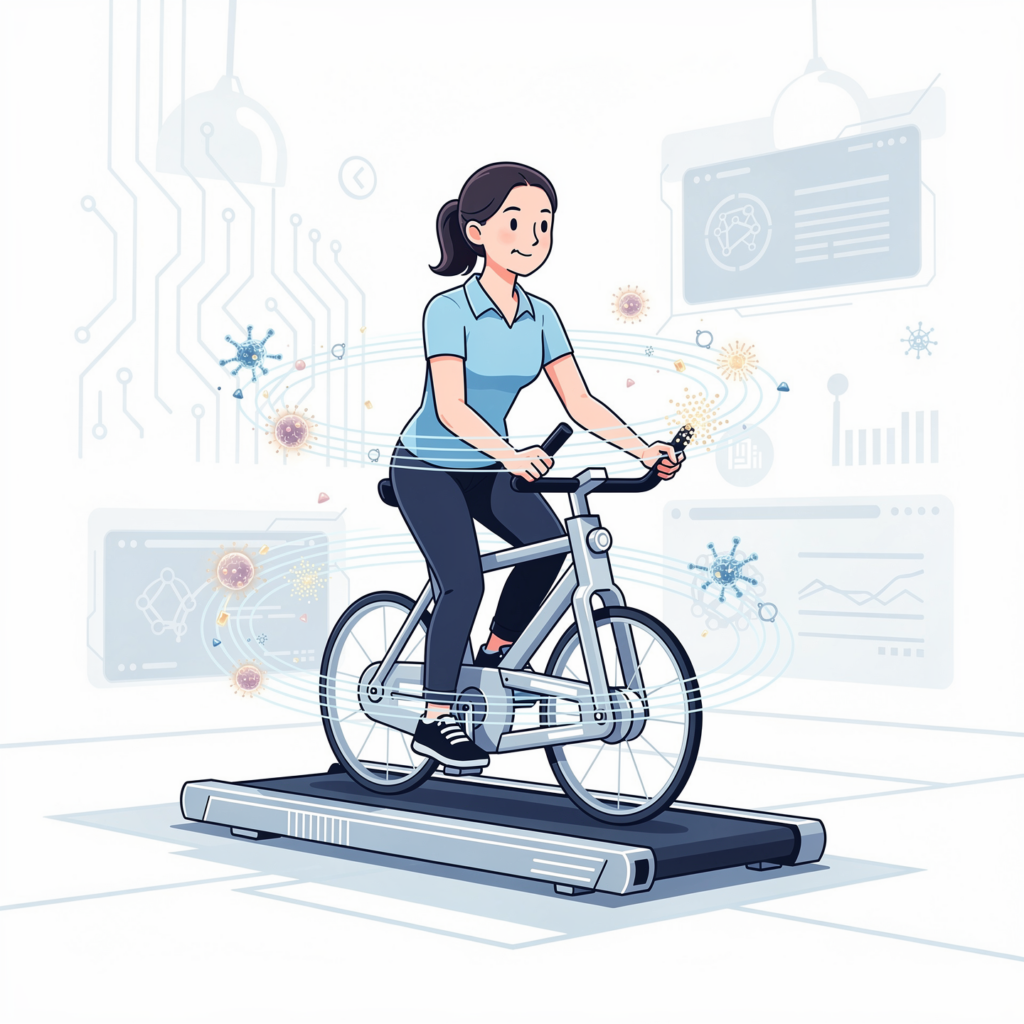
Cardiovascular health remains essential after 40. The key is choosing the right intensity.
Zone 2 is a steady, moderate effort. You are breathing deeply, but you can still hold a conversation. Think brisk walking, light cycling, or an easy jog.
- Mitochondrial Density– Builds mitochondrial density, improving your cells’ capacity to produce energy.
- Cortisol in Check– Keeps cortisol in check, unlike high-intensity intervals that can spike the stress response.
- Supports Recovery – Supports recovery, increasing blood flow to muscles after strength sessions.
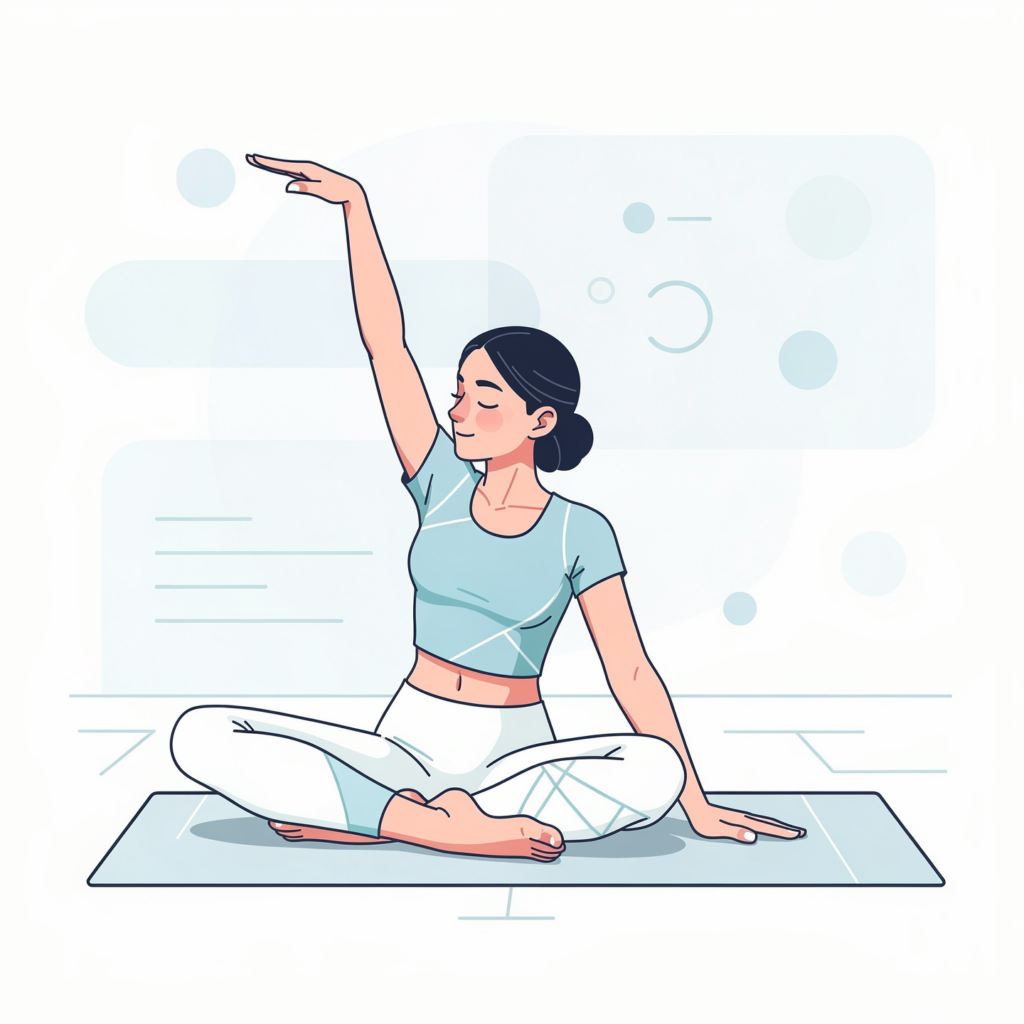
Movement Type 3: Mobility Work and Yoga
As progesterone declines, many people notice increased stiffness and heightened anxiety. Restorative movement directly addresses both.
Yoga and dedicated mobility work offer real physiological benefits:
Parasympathetic Activation
Activates the parasympathetic nervous system through breath-focused movement, reducing the chronic fight-or-flight state many people carry.
Joint Health
Maintains joint health, keeping connective tissue supple and reducing the aches commonly attributed to aging.
Sleep Quality
Supports sleep quality, particularly when practiced in the evening. Gentle movement signals the nervous system to wind down, which supports natural melatonin production.
Movement Type 4: NEAT: Movement Throughout the Day
Non-exercise activity thermogenesis, or NEAT, refers to the energy expended in everyday movement that is not structured exercise. After 40, how active you are across the entire day often matters as much as what you do in the gym.
Small, consistent movement keeps the lymphatic system circulating and prevents the energy dips that come with prolonged sitting.
Simple Ways to Add NEAT
- Take the stairs
- Park further from the entrance
- Use a standing desk when possible
- Tend a garden, walk a dog, play with your kids
Why It Matters
One hour of intense exercise followed by ten sedentary hours is far less effective than moving consistently throughout the day.
The most valuable data point after 40 is not your heart rate monitor. It is how you actually feel.
After a workout, check in with yourself:
Energy Check
Do you feel energized, or completely wiped out?
Sleep Check
Can you fall asleep easily, or are you tired but wired?
Recovery Check
Are your joints recovering, or feeling inflamed?
If exhaustion is the consistent answer, that is information worth acting on. Trading a high-intensity session for a long walk or swapping a heavy lifting day for restorative yoga is not giving up. It is good medicine.
Personalized Support in Olympia, Washington
Navigating the hormonal shifts of your 40s and beyond is easier with a care team that understands the full picture. At NiuOla Health, Dr. Tui Lauilefue works with patients to understand the root causes of shifting energy, changing weight, and hormonal imbalance.
Through direct primary care and personalized medical weight loss support, we help patients in Olympia, Washington build sustainable plans that work with their bodies, not against them. Whether you prefer in-person visits or telehealth, our team is here to provide the time and attention your health deserves.
Ready to feel like yourself again? Schedule a visit with Dr. Lauilefue and the NiuOla Health team. Your next chapter starts here.
