
Menopause and Muscle: Why Strength Training Matters More Than Ever
April 20, 2026
The transition into menopause is a profound shift in a woman’s life and there is a science-backed path forward. At NiuOla Health in Olympia, Washington, we believe menopause is not a season to fade; it is a season to get stronger.
The Science of Menopause and Muscle Loss
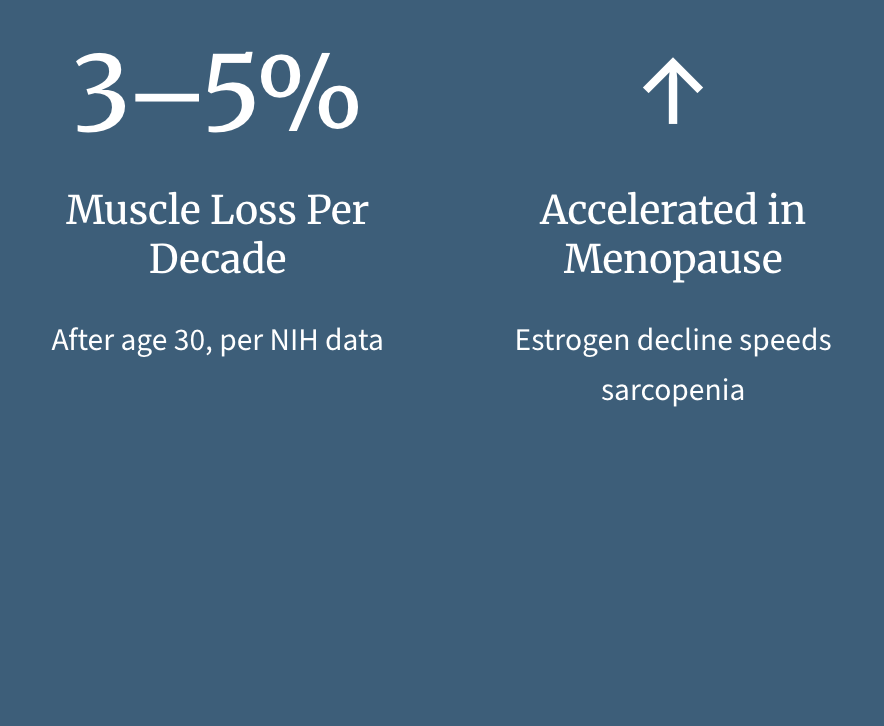
According to the National Institutes of Health (NIH), women can lose between 3% and 5% of their muscle mass per decade after age 30, a process known as sarcopenia. During menopause, this decline can accelerate. Estrogen helps protect muscle fibers and supports repair; without its steady presence, muscles need a stronger signal to stay strong.
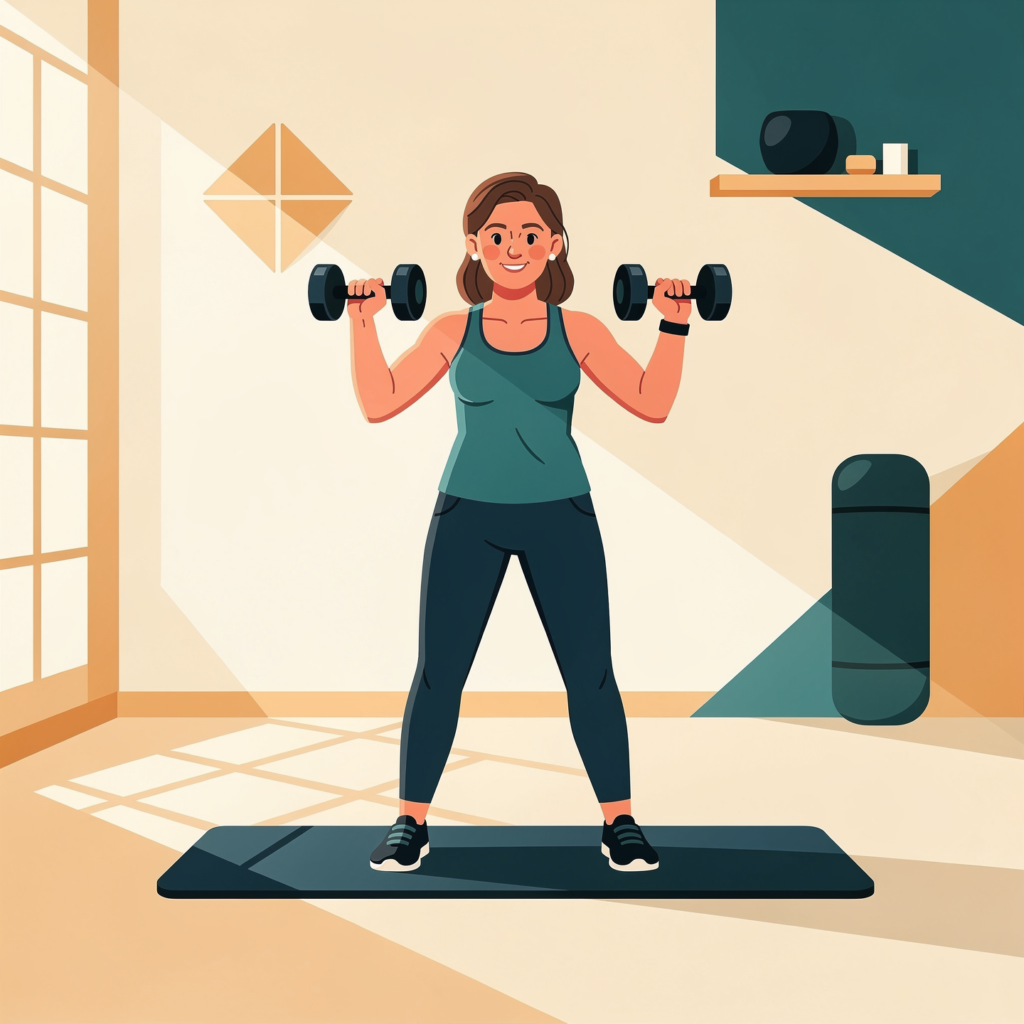
That signal is resistance training and it is one of the most powerful tools available to women in midlife.
Why Strength Training Deserves a Central Place in Your Routine
For years, many women were told that cardio was the cornerstone of health. Walking and swimming remain genuinely valuable for cardiovascular health, but they do not provide the specific stimulus the body needs during this stage of life. Shifting focus toward menopause and muscle through resistance training offers benefits that reach well beyond the gym.
Supporting a Changing Metabolism
Muscle is metabolically active tissue. The more of it you carry, the more energy your body burns at rest. As estrogen declines, many women experience weight changes, particularly around the abdomen. Strength training helps counteract this by keeping your metabolism working more efficiently, making it easier to maintain a weight that feels healthy and sustainable for your body.
Protecting Bone Density
One of the most significant health risks associated with menopause is osteoporosis. Estrogen is a natural bone protector, and when its levels fall, bone resorption begins to outpace bone formation.
How Strength Training Helps
When muscles contract against resistance, they pull on bones stimulating them to become denser and more resilient. This mechanical loading is one of the most direct ways to preserve skeletal integrity.
What the Mayo Clinic Says
The Mayo Clinic notes that weight-bearing and resistance exercises are among the most effective strategies for preserving bone mass in midlife and beyond — making them essential, not optional.
The Long-Term Stakes
Fractures from osteoporosis can significantly impact independence and quality of life. Building bone density now is one of the most meaningful investments a woman can make in her future self.
Improving Insulin Sensitivity

During menopause, the body can become more resistant to insulin, which raises the risk of Type 2 diabetes. This is a metabolic shift that many women are not warned about, but it is one that strength training directly addresses.
Muscle tissue acts as a primary site for glucose uptake, meaning that building and preserving muscle helps the body manage blood sugar more effectively.
The result is more stable energy levels throughout the day, fewer blood sugar spikes and crashes, and better long-term metabolic health. Resistance training is not just about how you look, it is about how your body functions at a cellular level.
Supporting Mental Health and Cognitive Clarity
Menopause can bring shifts in mood, increased anxiety, and the frustrating experience many women describe as “brain fog.” Harvard Health has highlighted the bidirectional relationship between physical strength and psychological wellbeing.
Mood Regulation
Resistance training triggers the release of endorphins and other neurochemicals that support emotional balance and reduce symptoms of anxiety and depression.
Cognitive Clarity
Physical exercise increases blood flow to the brain and supports neuroplasticity — helping to lift the mental fog that many women experience during hormonal transition.
Sense of Agency
There is something genuinely powerful about mastering a new movement or lifting more than you could last month. It builds confidence during a time when many women feel their bodies are changing beyond their control.
Getting Started: Building Muscle Safely and Sustainably
Resistance training does not require hours in a commercial gym or an intimidating barbell program. The goal is progressive overload, gradually and consistently increasing the challenge placed on your muscles over time. Starting conservatively and building steadily is both safer and more effective than diving in too hard.
A few approaches work especially well for women beginning this journey each one designed to meet you where you are and grow with you over time.
Your Strength Training Toolkit
Bodyweight Movements
Sit-to-stands, wall push-ups, and step-ups are excellent entry points that build functional strength directly relevant to daily life — no equipment required.
Resistance Bands
Joint-friendly and highly effective for building the muscular tension needed to stimulate growth. Bands are versatile, affordable, and ideal for home training.
Compound Movements
Squats, hip hinges, and pressing patterns engage multiple joints at once, delivering the most meaningful stimulus for both muscle and hormonal health.
Protein Intake
The NIH consistently highlights adequate dietary protein as essential for muscle repair and retention in midlife women. Prioritize protein at every meal to support your training.
Consistency over intensity is the principle that matters most, especially in the early months of your strength training journey.
A Personalized Approach to Menopause Care
Menopause affects every woman differently, and a one-size-fits-all approach rarely serves anyone well. At NiuOla Health, we offer direct primary care that takes the time to understand your full picture including your hormonal health, metabolic markers, body composition, sleep, and stress levels.
Meet Dr. Tui Lauilefue
Double board-certified in Internal Medicine and Obesity Medicine, Dr. Lauilefue brings both deep clinical expertise and genuine compassion to menopause care and personalized medical weight loss support. Whether you are navigating new symptoms, trying to understand unexpected weight changes, or simply looking for a provider who will listen, Dr. Tui Lauilefue and the NiuOla Health team are here to walk that path with you.
Menopause is not the end of your strength. For many women, it becomes the beginning of a more intentional, informed relationship with their bodies.
What We Address Together
- Hormonal health and symptom management
- Metabolic markers and blood sugar balance
- Body composition and weight changes
- Sleep quality and stress levels
- Personalized strength and nutrition guidance
If you are ready to explore what personalized support could look like for you, reach out to NiuOla Health in Olympia, Washington, to schedule a consultation with Dr. Lauilefue. Your next chapter can be one of your strongest.
