
How to Meal Prep When You’re Always on the Go
August 24, 2026
Between work, family, appointments, and everything in between, finding time to cook a healthy meal can feel impossible. If your weeks are packed and takeout has become the default, you’re not alone. Learning how to meal prep on the go doesn’t require hours in the kitchen or a color-coded spreadsheet. It just requires a system that fits your actual life, not an idealized version of it.
Here’s how to make meal prep on the go realistic, sustainable, and genuinely helpful for your health.
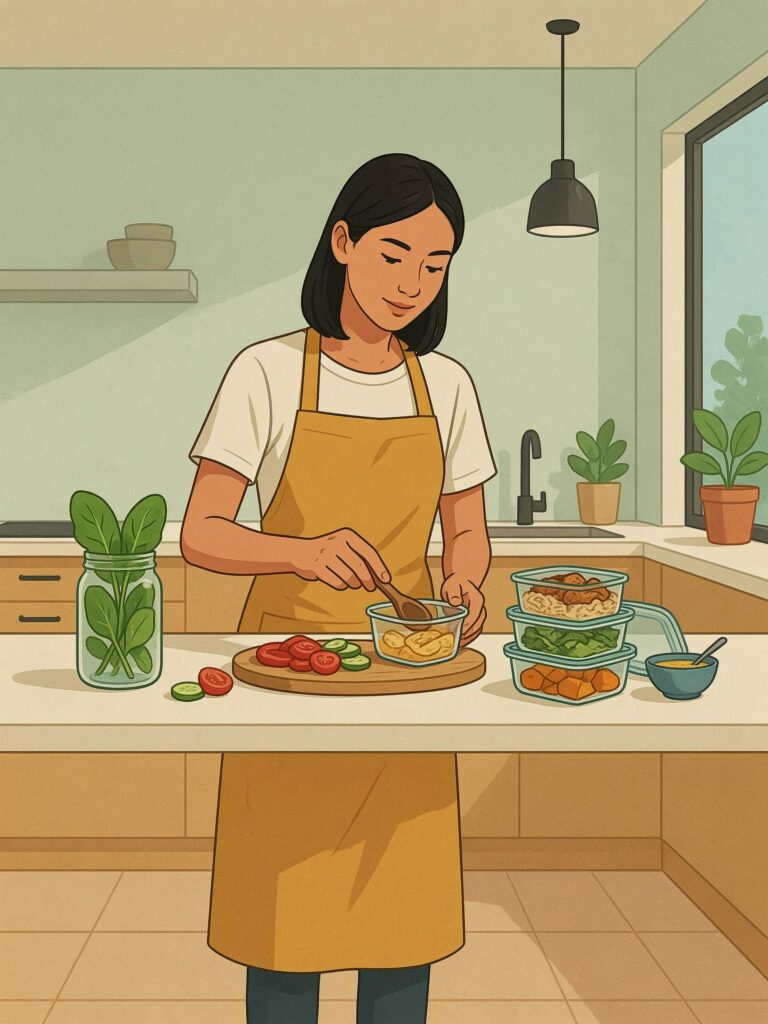
Why Meal Prep On the Go Matters
When you’re rushed, convenience food often wins by default. Prepackaged convenience foods can be lacking in nutrients while being high in fat, sodium, and calories. That’s not a failure of willpower. It’s simply what happens when hunger meets a lack of a plan.
The good news is that you don’t have to sacrifice nutrition just because you’re in a hurry. A little bit of planning goes a long way toward keeping blood sugar stable, supporting your energy, and making it easier to reach for real food instead of whatever’s fastest.
Start With Your Calendar, Not a Recipe Board
Before you plan a single meal, look at your week honestly. Which days are tightest? Which evenings have zero cooking time? Build your prep around those days first.
Registered dietitian Kathy McManus of Harvard-affiliated Brigham and Women’s Hospital notes that healthy meals don’t just happen. You have to plan meals and snacks a few days ahead, make a list, buy the foods you want to eat, and set aside time to prepare them. That planning step, done once a week, saves far more time than it costs.
Batch the Basics, Not Every Whole Meal
You don’t need to cook seven identical dinners on Sunday. Instead, batch cook the building blocks:
Proteins
- grilled chicken, ground turkey, baked tofu, hard-boiled eggs
Carbs
- rice, quinoa, roasted potatoes
Vegetables
- roasted or steamed in bulk
Then mix and match them into different meals throughout the week so nothing feels repetitive. A batch of grilled chicken can become a salad on Monday, a wrap on Tuesday, and a stir-fry on Wednesday with almost no extra prep time.
Let Smart Shortcuts Count as Meal Prep
Meal prep on the go doesn’t mean you have to make everything from scratch. On busy nights, you can pull together a quick, healthy dinner from convenience items like frozen vegetables, pre-cooked protein such as chicken or fish, and bags of prepared grains. Look for options without added sauces and lower in sodium.
Canned goods can help too. Canned tuna or salmon makes a nutritious addition to a dinner salad, and low-sodium canned beans work well in soups, salads, or tacos. These shortcuts still count as meal prep. The goal is having real food ready when you need it, not perfection.
Build a Grab-and-Go System
Portable containers are your best friend. Prep breakfast, lunch, and snacks in individual containers so you can grab what you need on your way out the door. Keeping cut vegetables, fruit, and protein sources visible in the fridge, rather than buried in a drawer, makes it far more likely you’ll actually reach for them when you’re rushing.
A few grab-and-go staples worth keeping stocked:
- Greek yogurt or cottage cheese
- Hard-boiled eggs
- Cut vegetables with hummus
- Nut butter packets with fruit
- Pre-portioned trail mix
Keep the Plate Balanced, Even in a Hurry
When you’re building meals quickly, use a simple mental template. Aim for half your plate as fruits and vegetables, with the rest split between lean protein and whole grains. This structure supports steady energy and helps prevent the mid-afternoon crash that often leads to less nutritious choices later in the day.
Meal Prep Support Beyond the Kitchen
If you’re managing your weight, working through a GLP-1 treatment plan, or navigating hormonal changes that affect appetite and metabolism, meal prep isn’t just about convenience. It’s part of a bigger picture of metabolic health.
At NiuOla Health, Dr. Tui Lauilefue works with patients one-on-one to build nutrition strategies that actually fit their lives, including protein-forward meal planning for those on GLP-1 medications, guidance for women navigating perimenopause or PCOS, and ongoing metabolic health monitoring. As a direct primary care practice, NiuOla Health offers the kind of unhurried, personalized support that’s hard to find in a standard fifteen-minute appointment.
If your schedule is packed and your nutrition has taken a back seat, you don’t have to figure it out alone.
The Bottom Line
Meal prep on the go isn’t about doing more. It’s about doing less, more consistently. Start with your real schedule, batch a few basics, lean on smart shortcuts when needed, and keep grab-and-go options within reach. Small, repeatable habits will always outlast an ambitious plan you can’t sustain.
