
The Emotional Side of Eating Less
July 20, 2026
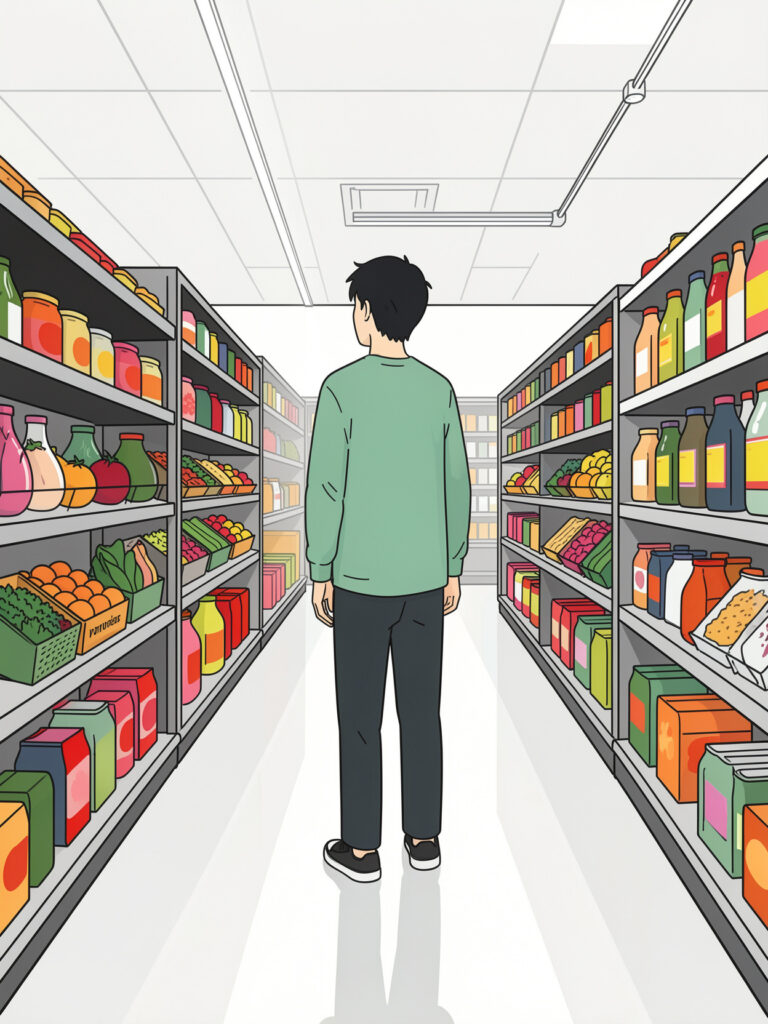
If you’ve started eating less, whether through a GLP-1 medication, a new nutrition plan, or simply paying closer attention to portions, you may have noticed something surprising. The hardest part isn’t the food itself. It’s everything that comes up around it.
Tears in the cereal aisle. Irritability by mid-afternoon. A strange sense of loss at a dinner party where you used to go back for seconds. If this sounds familiar, you’re not imagining things, and you’re certainly not alone. Emotional eating during weight loss is one of the most common, and least talked about, parts of this journey.
Why Eating Less Can Stir Up New Feelings
Food has never just been fuel. It’s comfort after a hard day, connection at the family table, and celebration at birthdays and holidays. Research on emotional eating shows that high-fat and high-sugar foods activate the brain’s reward pathways, which is part of why reaching for a snack can feel so soothing in the moment, even when physical hunger isn’t the real driver.
When you start eating less, that go-to coping tool becomes less available. The stress, boredom, loneliness, or sadness you used to soften with food doesn’t disappear. It simply has nowhere to go, so it surfaces, sometimes all at once.
This is a normal, well-documented part of changing your relationship with food. It doesn’t mean something has gone wrong with your plan. It means your body and mind are adjusting to a genuinely different way of coping.
The Grief
Here’s something patients rarely hear before starting a weight loss journey: it’s possible to feel proud and grieving at the same time.
Losing weight, especially at a steady or rapid pace, can bring a real sense of loss alongside the excitement. You might grieve the comfort food used to provide, the version of yourself you’re leaving behind, or old habits and routines that once felt familiar. Some people describe feeling like a stranger to themselves in the mirror, even when the changes are exactly what they hoped for.
That mix of gratitude and grief is not a sign of ingratitude or weakness. It’s a normal part of identity adjusting to change, and it tends to soften with time, support, and self-compassion.
What This Might Look Like Day to Day
Emotional shifts during weight loss show up differently for everyone, but a few patterns are common:
- Increased irritability or low mood – especially in the first few weeks of eating differently
- Urges to eat when you’re not physically hungry – often tied to boredom, stress, or old habits
- A sense of loss or awkwardness around food-centered gatherings – like holidays or dinners with friends
- Unexpected sadness or anxiety – even as the number on the scale moves in a positive direction
- Second-guessing your progress – when emotions feel harder to manage than the eating changes themselves
None of these mean you’re doing something wrong. They mean you’re human, and you’re going through a real transition.
Ways to Navigate the Emotional Ups and Downs
Name What You’re Feeling Before You Reach for Food
The next time an urge to eat hits outside of mealtime, pause for a moment and ask what’s actually going on. Are you tired, stressed, lonely, or bored? Naming the feeling doesn’t make it disappear, but it does help you respond to the real need instead of masking it with a snack.
Find Outlets That Aren’t Food
Since food has likely been one of your main coping tools, it helps to build a few new ones. A short walk, a call to a friend, a few minutes of journaling, or simply stepping outside can give your nervous system somewhere else to land. These don’t need to be elaborate. Consistency matters more than complexity.
Rebuild Your Relationship With Celebrations
Holidays, birthdays, and get-togethers can feel tricky when food has always been central to them. Consider what else makes those moments meaningful: the people, the traditions, the conversation. Food can still be part of it without being the entire point.
Give Yourself Grace on the Harder Days
Self-compassion after a difficult day or a setback tends to support long-term progress far more than guilt or stricter restriction. If you have an emotional eating moment, treating it as information rather than failure keeps you moving forward instead of stuck in a shame spiral.
Lean on Support, Not Willpower Alone
Willpower is a limited resource that wears down over the course of a day. Having a provider, a support group, or trusted people around you takes some of that weight off your shoulders and makes the emotional side of this journey feel far less isolating.
You Don’t Have to Navigate This Alone
Weight loss was never meant to be a solo, white-knuckle experience, and the emotional side deserves just as much attention as the physical side. Dr. Tui Lauilefue, double board-certified in Internal Medicine and Obesity Medicine, works with NiuOla Health patients to address both, because sustainable change accounts for the whole person, not just the number on the scale.
If new feelings have been showing up alongside your progress, that’s exactly the kind of thing worth bringing to your next visit. Our direct primary care model means you get real time with your provider to talk through what’s coming up, adjust your plan, and feel genuinely supported along the way.
Reach out to NiuOla Health in Olympia, Washington at 360-382-2762 to talk through what you’re experiencing, or follow along for more support and encouragement @NiuOlaHealth on Facebook, Instagram, TikTok, and YouTube.
This content is for educational purposes and is not a substitute for personalized medical advice. If emotional changes feel overwhelming or persistent, please talk with your healthcare provider or a mental health professional.
