
How to Build a Balanced Plate When Your Appetite Is Low
July 13, 2026
A smaller appetite can feel like a win, especially if weight loss is the goal. But when appetite drops, whether from a GLP-1 medication, a busy season of life, illness, or age, the challenge shifts from how much you eat to how well those smaller portions serve your body. Every bite has to work harder.
This is especially true for patients using GLP-1 medications like semaglutide or tirzepatide, which slow digestion and suppress hunger signals. A 2026 review published in Clinical Obesity found that patients on GLP-1 therapy commonly developed deficiencies in vitamin D, iron, and B vitamins over the course of treatment, with vitamin D deficiency affecting more than 1 in 10 patients after a year. Harvard Health Publishing notes that this makes it especially important for patients to prioritize nutrient intake and consider a daily multivitamin while on these medications.
The good news: a few simple strategies can help you meet your nutritional needs even when your appetite is working against you.
Why a Smaller Appetite Still Needs a Full Plan
Eating less does not automatically mean eating well. Research published in the journal Obesity has raised concerns about nutrient inadequacy in patients whose calorie intake drops significantly on GLP-1 therapy, particularly when it comes to protein, fiber, calcium, and B12. Left unaddressed, this pattern can contribute to muscle loss, fatigue, and slowed metabolism, the opposite of what most patients are working toward.
The goal is not to force more food. It is to make each smaller meal count.
Start With the Plate Method, Scaled Down
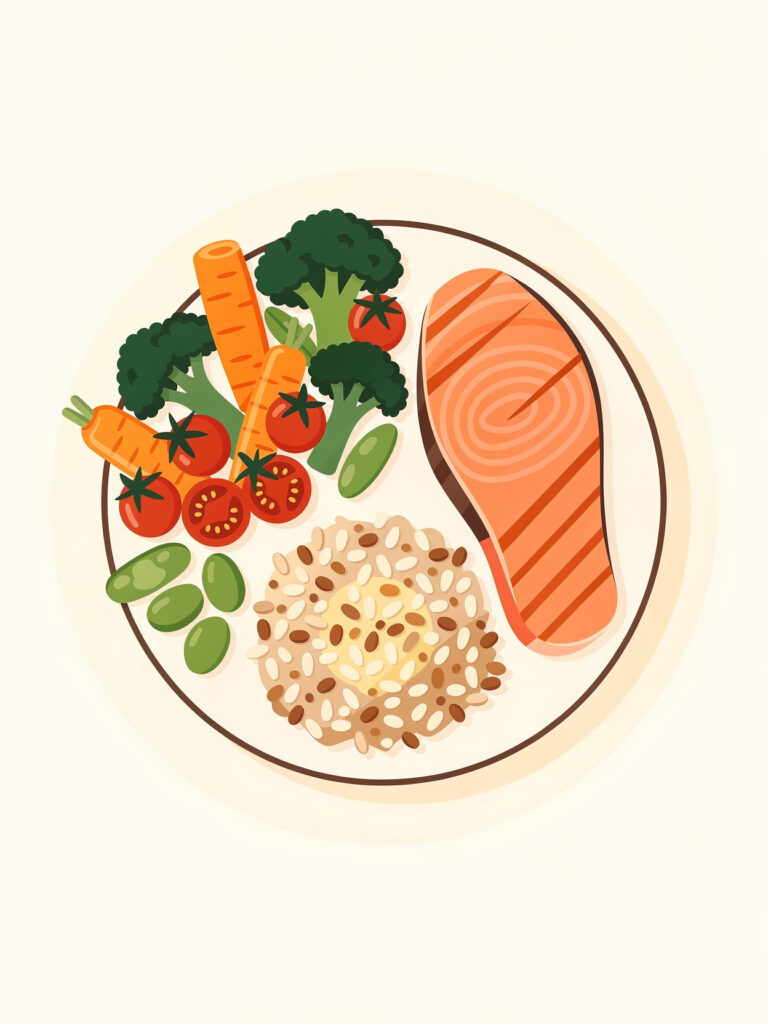
The classic plate method still works when portions shrink. Instead of a full dinner plate, picture a smaller plate or bowl divided the same way:
Half: non-starchy vegetables
leafy greens, broccoli, peppers, zucchini
One-quarter: lean protein
eggs, fish, poultry, tofu, Greek yogurt, cottage cheese
One-quarter: high-fiber carbohydrates
whole grains, legumes, fruit
This ratio keeps meals nutrient-dense without requiring large volumes of food. A registered dietitian quoted by HealthCentral and affiliated with the Mayo Clinic Diet program recommends this same pattern for patients on weight loss medications: vegetables, fruits, whole grains, lean protein, and healthy fats in every meal, scaled to appetite rather than skipped.
Prioritize Protein First
When appetite is limited, protein is the nutrient most likely to fall short and the one your body needs most to preserve muscle during weight loss. If you only get through part of a meal, eat the protein portion first.
Easy low-volume protein sources:
- Cottage cheese or Greek yogurt (12–20 grams of protein per serving)
- Eggs
- Canned tuna or salmon
- Protein shakes or smoothies when solid food feels like too much
- Nut butters stirred into oatmeal or smoothies
Make Every Bite Nutrient-Dense
With less room on the plate, empty calories cost more than they used to. Foods with added sugar, refined grains, and little nutritional value crowd out the vitamins and minerals your body needs. Instead, lean on foods that deliver more nutrition per bite:
Healthy fats
like avocado, olive oil, and nuts add calories and nutrients without adding bulk
Colorful vegetables and fruit
cover fiber, vitamins, and antioxidants
Fortified or whole-grain carbohydrates
support energy and digestion
Try Combination Meals Instead of Separate Courses
Soups, grain bowls, stir-fries, and smoothies let you fit protein, vegetables, and carbohydrates into one dish instead of three separate portions. This approach tends to feel more manageable than a traditional plated meal when appetite is low, and it naturally builds in the balance you are aiming for.
Eat on a Schedule, Not Just When Hungry
Appetite suppression can mean hunger cues are unreliable or absent altogether. Rather than waiting to feel hungry, try eating small amounts every 2 to 3 hours. This steadier pattern helps prevent the kind of prolonged undereating that can lead to fatigue and nutrient gaps.
Don’t Forget Fluids
Reduced food intake often comes with reduced fluid intake, which can worsen constipation and other digestive side effects. Water helps move fiber through the digestive tract and supports every other function on this list. Sipping throughout the day, rather than drinking large amounts at once, tends to be easier to tolerate.
When to Loop In Your Care Team
If you are consistently unable to finish meals, losing weight faster than expected, or noticing symptoms like fatigue, hair thinning, or lightheadedness, it is time for a conversation with your provider. These can be signs that intake has dropped below what your body needs, and a care team can help adjust your approach before small gaps become bigger problems.
At NiuOla Health, Dr. Tui Lauilefue works closely with patients managing appetite changes from GLP-1 therapy and other causes, building nutrition plans that protect muscle, energy, and long-term health rather than just tracking the number on the scale. As a direct primary care and medical weight loss practice in Olympia, Washington, NiuOla Health offers the kind of unhurried, individualized attention that appetite and nutrition concerns often require.
The Bottom Line
A low appetite does not have to mean poor nutrition. By prioritizing protein, building nutrient-dense plates, and eating on a consistent schedule, you can support your body well even when portions are smaller than they used to be.
If your appetite has changed and you are not sure your meals are meeting your needs, schedule a visit with Dr. Tui Lauilefue at NiuOla Health in Olympia, Washington.
