
Why Protein Is the Missing Piece in Your GLP-1 Weight Loss Journey
March 30, 2026

GLP-1 medications like semaglutide and tirzepatide have genuinely changed what’s possible for people pursuing long-term weight loss. They quiet the noise of constant hunger, help stabilize blood sugar, and make sustainable progress feel achievable in a way it often didn’t before. But there’s a nutritional piece that often gets overlooked, one that can quietly determine whether your results last. That piece is protein.
The Problem with Eating Less (Without Eating Smart)
When GLP-1 medications reduce your appetite, you naturally eat less. That’s the point. But your body doesn’t always distinguish between fat and muscle when it’s in a calorie deficit, and without enough protein, it will break down both.
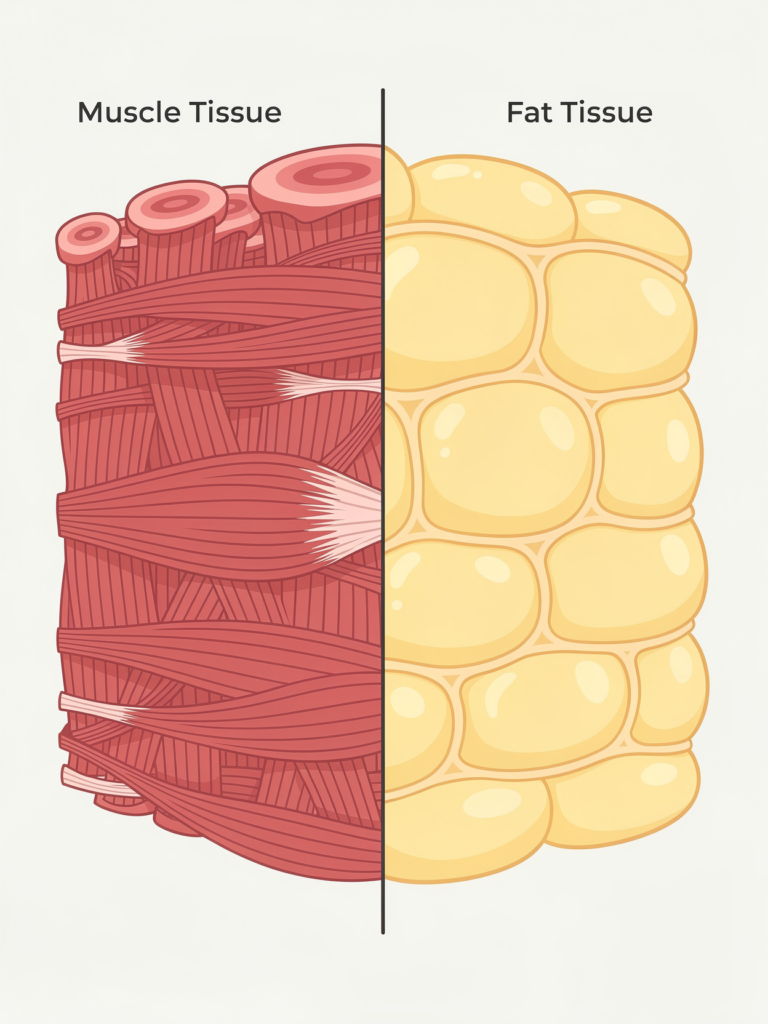
Muscle Loss Is a Real Risk
Muscle loss is a real risk, and it matters more than most people realize.
Metabolism
Muscle keeps your metabolism running efficiently. It supports your strength and mobility as you age.
Weight Regain Protection
It helps protect you from regaining weight once you’ve lost it. Protecting your muscle mass isn’t just an aesthetic concern; it’s a metabolic one.
Protein Keeps Your Metabolism Working For You
The Metabolism Shift
Your metabolism is not a fixed number. It shifts based on your body composition, and when you lose muscle, it slows. That’s when weight loss plateaus get frustrating, and why some people find weight creeping back even after success on medication.
How Protein Fights Back
Protein works against this in two ways. First, it helps preserve the lean muscle you have. Second, it requires more energy to digest than carbohydrates or fat, a phenomenon called the thermic effect of food. So even when you’re eating less overall, protein is still doing metabolic work on your behalf.
Satiety Is Already One of Your Medication’s Strengths, and Protein Amplifies It
GLP-1 medications are remarkably good at reducing hunger. Protein does the same thing through a different mechanism: it signals fullness, reduces cravings, and helps stabilize blood sugar between meals. Together, they create a much more comfortable experience of eating less, without the mental noise of constant deprivation.
GLP-1 Medication
Reduces hunger signals and appetite through hormonal pathways
Protein
Signals fullness, reduces cravings, and stabilizes blood sugar between meals
Together
A much more comfortable experience of eating less, every bite works harder nutritionally
When your appetite is already lower, you want every bite to work harder nutritionally. Protein ensures it does.
Eating Less Means Every Nutrient Counts More
A calorie deficit isn’t just a reduction in energy; it’s a reduction in every nutrient your body depends on. Protein-rich foods naturally bring along iron, B vitamins, and zinc, all of which support energy, immune function, and overall wellbeing. Prioritizing protein helps fill in those nutritional gaps even when total food intake is lower.
Iron
Supports energy levels and oxygen transport throughout the body
B Vitamins
Essential for energy metabolism and nervous system function
Zinc
Supports immune function and overall wellbeing
What This Looks Like in Practice
Protein needs vary by person, but a practical starting point for most patients on GLP-1 medications is 20 to 30 grams per meal, or roughly 0.8 to 1.2 grams per pound of goal body weight. This isn’t a rigid rule; it’s a target to build toward.
Good Sources to Lean On
- Eggs
- Greek yogurt
- Cottage cheese
- Chicken & turkey
- Fish
- Tofu
- Lentils & beans
Protein shakes can bridge the gap on days when appetite is particularly low or time is short.
The Honest Challenge
When you’re not very hungry, hitting protein goals consistently takes intention. Many patients find it’s the hardest part. That’s completely normal, and it’s exactly where personalized guidance makes a difference.
Lasting Results Require More Than Medication
At NiuOla Health, Dr. Tui Lauilefue and our care team think about weight loss as a longer arc than just the number on the scale. Patients who prioritize protein tend to feel more energized, maintain more muscle, and hold onto their results more successfully over time. That’s not coincidental; it’s the physiology working as it should when nutrition and medication are aligned.
GLP-1 medications are powerful. But they work best as part of a plan that supports your whole body, not just your appetite. Protein is a cornerstone of that plan.
If you’re navigating what to eat on your medication and feeling unsure, you don’t have to figure it out alone. Dr. Lauilefue and the NiuOla Health team are here to help build something that actually fits your life.
