
Beyond Willpower: How GLP-1 Medications Help Your Brain Reset Its Weight Set Point
May 4, 2026
If you have tried to lose weight and felt like your body was sabotaging your efforts, you are not imagining it. Patients at NiuOla Health in Olympia, Washington, describe it often: they follow the plan, lose weight, and then watch the scale creep back up despite their best efforts.
Understanding why your body holds on to weight is the first step toward working with it, rather than against it. And it starts with a concept called the metabolic set point.
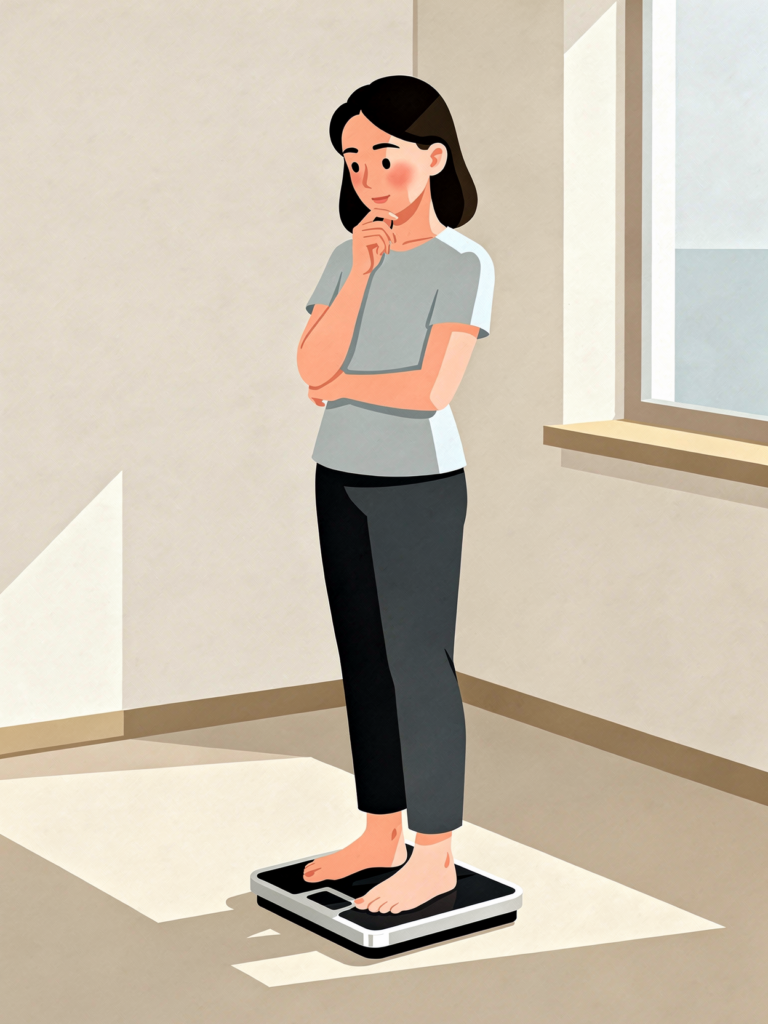
What Is the Metabolic Set Point?
Think of your metabolic set point like a thermostat. Just as a thermostat keeps your home at a fixed temperature, your brain has a built-in system that keeps your body weight within a specific range.
This internal thermostat lives in the hypothalamus, the region of your brain responsible for regulating hunger, thirst, and energy use. According to the National Institutes of Health, your body continuously sends and receives hormonal signals that tell you when to eat, when to stop, and how much energy to burn.
When your weight drops below your set point, your brain reads this as a threat and it responds accordingly.
Why Traditional Dieting Feels So Hard
When you restrict calories without addressing the underlying biology, your hypothalamus activates a cascade of protective responses designed to bring your weight back up:
Increased Hunger
Levels of ghrelin, the hormone that drives appetite, rise significantly, making you feel hungrier than before you started dieting.
Decreased Fullness Signals
The hormones that tell your brain you have had enough become quieter, leaving you feeling unsatisfied even after eating.
Slowed Metabolism
Your body conserves energy, leaving you feeling tired and less motivated to move, a direct biological response to perceived starvation.
Research from the National Institutes of Health confirms that these adaptive responses can persist long after active weight loss, making it genuinely difficult to maintain a lower weight without ongoing support. This is not weakness. It is your survival system doing exactly what it was designed to do.
Where GLP-1 Medications Come In
The Old Framework
For decades, weight management was treated as a simple math problem: eat less, move more. We now understand that this framework ignores the hormonal and neurological complexity behind why the body resists change.
The New Understanding
GLP-1 (glucagon-like peptide-1) receptor agonists, including medications like semaglutide and tirzepatide, have shifted what is possible in medical weight loss. GLP-1 is a hormone your gut naturally produces in response to eating. It signals the brain that you are full and helps regulate blood sugar.
In many people living with obesity, this signaling system becomes less effective over time. GLP-1 medications work by amplifying and extending these natural signals, helping the brain and body communicate more clearly.
How GLP-1s Help Your Brain “Relearn” a Healthier Weight
At NiuOla Health, Dr. Tui Lauilefue approaches GLP-1 therapy as a tool for biological recalibration, not a shortcut or a quick fix. Here is what these medications actually do at the physiological level:
Reduce “Food Noise”
Many patients describe a quieting of the constant mental preoccupation with food. When the brain is no longer in survival mode, this mental noise fades.
Slow Gastric Emptying
Food moves more slowly through the digestive system, sending prolonged fullness signals to the brain and reducing the urge to eat again soon after a meal.
Stabilize Insulin Response
By improving insulin sensitivity and reducing fat-storage signals, GLP-1s help lower one of the key drivers that keeps the metabolic set point elevated.
Hypothalamic Recalibration
Over time, as the body sustainably maintains a lower weight, the brain can begin to register this lower weight as its new normal.
GLP-1 medications are not simply suppressing appetite; they are helping the brain and body reach a new equilibrium, acting as metabolic “set point shifters.”
Is This a Lifelong Medication?
One of the most common questions Dr. Tui hears at our Olympia clinic is: “Do I have to take this forever?”
The honest answer is: most likely, and that conversation is worth having with your physician. For some patients, GLP-1 therapy serves as a bridge, providing the biological stability needed to build sustainable habits. For others, ongoing support may be part of a long-term health plan, just as it would be for blood pressure or thyroid management.
What the research, including studies cited by Harvard Health, consistently shows is that sustainable weight loss requires more than willpower alone. It requires the right physiological conditions, and often, medication creates those conditions.
During GLP-1 therapy, the lifestyle habits you build matter deeply:
Prioritize Protein
Support lean muscle mass while losing weight by ensuring adequate protein intake at every meal.
Find Movement You Enjoy
Rather than treating exercise as punishment, discover activities that feel rewarding and sustainable in the long term.
Protect Your Sleep
Sleep directly influences hunger hormones and metabolic health, and it is a non-negotiable pillar of your progress.
Manage Stress
Stress affects cortisol levels and can counteract progress. Building stress-management practices supports your overall results.
A Compassionate Approach to Medical Weight Loss
Our Belief at NiuOla Health
Weight is a health issue, not a character issue. If you have experienced shame or frustration around your weight, please know that your history does not determine what is possible for you now.
Every patient deserves a provider who takes the time to ask why, not just what.
What Makes NiuOla Health Different
Direct primary care gives Dr. Tui the time to actually know her patients, understand their full medical picture, and build a plan that reflects their real lives, not just a number on a chart.
Personalized medical weight loss support at NiuOla Health means you are never handed a generic protocol and sent on your way.
Ready to Stop Fighting Your Biology?
If you are tired of the cycle of trying harder and still feeling stuck, there may be a biological reason and there may be a path forward.
NiuOla Health welcomes patients in Olympia, Washington who are ready to explore evidence-based, compassionate care. Whether you are curious about GLP-1 medications, want to understand your metabolic health more deeply, or are simply looking for a primary care physician who will listen, Dr. Tui Lauilefue and the NiuOla Health team are here.
GLP-1 Medications
Explore evidence-based options like semaglutide and tirzepatide with a board-certified Obesity Medicine physician.
Metabolic Health
Understand your body’s unique biology and what is driving your weight, beyond calories in and calories out.
Personalized Care
A primary care physician who listens, asks the right questions, and builds a plan around your real life.
Schedule a visit at NiuOla Health and take the first step toward working with your body, on your terms.
This content is for educational purposes only and does not constitute medical advice. Please consult a qualified healthcare provider before beginning any new medication or weight management
