
Caffeine and Hormonal Health: What Every Woman Should Know About PMS and Menopause
May 25, 2026
For millions of women, coffee is a daily ritual. But if you struggle with premenstrual syndrome or are navigating the menopause transition, that ritual may be working against you in ways that are worth understanding.
Caffeine is one of the most widely consumed substances in the world, and its effects on the body go well beyond a temporary energy boost. When hormones are already in flux, as they are during the premenstrual phase or the perimenopause and postmenopause years, caffeine’s stimulating effects can amplify symptoms that are already disruptive. The relationship is nuanced, and the research is still evolving, but there is enough evidence to make it a conversation worth having with your provider.
How Caffeine Works in the Body
The Mechanism
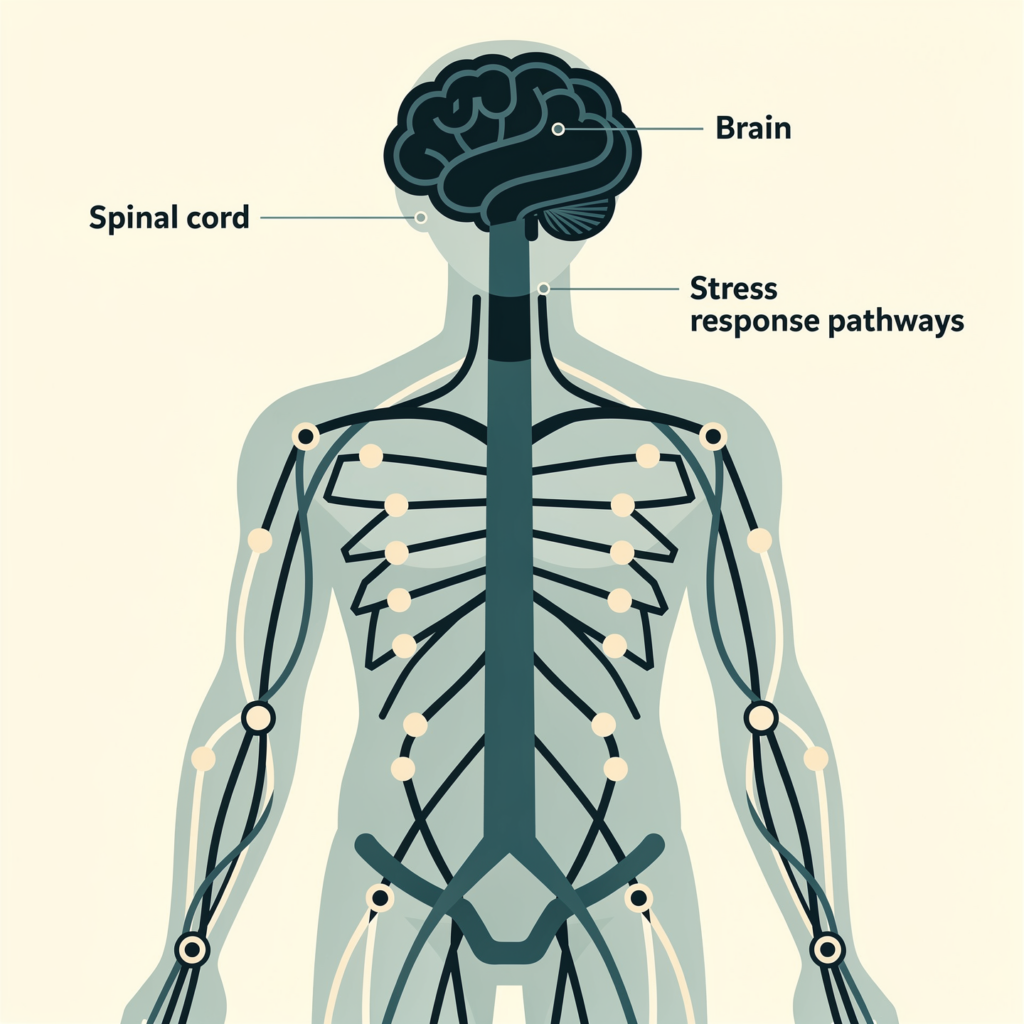
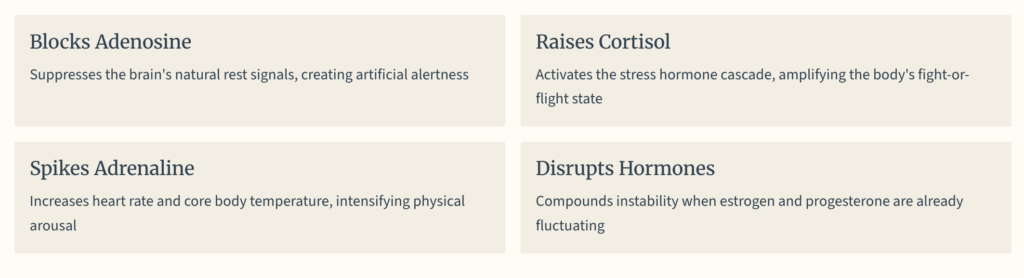
Caffeine functions primarily by blocking adenosine, a neurotransmitter that promotes rest and reduces arousal. When caffeine occupies adenosine’s receptors in the brain and spinal cord, the result is stimulation: increased alertness, faster heart rate, and a temporary sense of energy. For most people, in moderate amounts, this feels like a benefit.
The Hidden Cost
The problem is that caffeine also activates the sympathetic nervous system, the body’s fight-or-flight stress response and triggers the release of cortisol and adrenaline. When your hormonal environment is already unstable, adding a daily stress signal to the mix can make symptoms harder to manage.
Caffeine and PMS: What the Research Shows
Premenstrual syndrome affects a significant portion of women in their reproductive years, with symptoms that can include mood changes, fatigue, breast tenderness, bloating, cramps, and difficulty concentrating. Caffeine’s role in worsening these symptoms has long been debated.
The American College of Obstetricians and Gynecologists recommends that women with PMS avoid caffeine, in part because research shows that women with PMS tend to consume more caffeine than those without it. One explanation is cyclical: as women approach menstruation, particularly in the luteal phase, they may experience fatigue and mental exhaustion, which leads them to reach for caffeine, which may in turn worsen the very symptoms driving that fatigue.
The link between caffeine and mood symptoms is also notable. Research has found a significant association between caffeine use and PMS, including a relationship between caffeine consumption and depression during the premenstrual phase.
A large prospective study nested within the Nurses’ Health Study II found that total caffeine intake was not associated with PMS overall, suggesting that blanket recommendations to eliminate caffeine may not prevent PMS from developing. Caffeine’s effects appear to be highly individual.
What is fairly consistent in the evidence:
Breast Tenderness, Anxiety & Sleep
Caffeine can worsen breast tenderness, anxiety, and sleep disruption in the days before a period, particularly during the luteal phase when sensitivity is highest.
Heavier, Longer Periods
Caffeine may contribute to heavier, longer periods by affecting reproductive hormones and increasing uterine inflammation and bloating.
A Surprising 2024 Finding
Among women with moderate to severe menstrual pain, coffee drinkers showed reduced risk of severe symptoms compared to non-coffee drinkers, potentially because caffeine stimulates smooth muscle relaxation.
The takeaway is not that caffeine is universally harmful during the premenstrual phase. It is that your individual symptom pattern should guide your choices, and tracking what you consume alongside how you feel is a practical starting point.
Caffeine and Menopause: A More Complicated Picture
During perimenopause and menopause, the hormonal landscape shifts dramatically. Estrogen and progesterone decline, and the body becomes more sensitive to stimulants. This is when many women find that caffeine, which they have consumed for decades without issue, suddenly seems to be triggering or worsening symptoms.
Hot Flashes & Night Sweats
A Mayo Clinic study published in Menopause found an association between caffeine intake and more bothersome hot flashes and night sweats in postmenopausal women. A separate large study of 2,507 women confirmed that caffeine users reported worse vasomotor symptoms. Hot flashes affect up to 80% of women during the menopause transition.
Sleep Disruption
Consuming caffeine, especially close to bedtime, may make it harder for the body to relax and fall asleep. Anxiety and sleep disruptions are already among the most common symptoms of menopause. Poor sleep has downstream effects on mood, weight, cardiovascular health, and cognitive function.
Mood & Cognitive Function
Interestingly, the same study of 2,507 menopausal women found that while higher caffeine intake was associated with more hot flashes, those women reported fewer problems with mood, memory, and concentration. This trade-off is worth discussing openly with your provider.
Bone Health
Caffeine can accelerate bone loss, raising concern about osteoporosis risk, which is already elevated after menopause due to declining estrogen. For women focused on long-term bone health, keeping caffeine intake within reasonable limits is part of a broader protective strategy.
Practical Guidance: Working with Caffeine, Not Against It
There is no single answer that applies to every woman. What matters is developing awareness of how caffeine affects your specific symptom picture and making informed adjustments.
Track Before You Cut
Keep a simple log of your caffeine intake alongside your symptoms for two to four weeks. Patterns often become clear quickly, and data is more useful than guesswork.
Timing Matters
Caffeine can make it harder to fall or stay asleep, and menopause only magnifies this effect. Cutting off caffeine by early afternoon is one of the most effective adjustments women can make without eliminating it entirely.
Moderate, Don’t Necessarily Eliminate
Up to 400 mg per day, roughly four cups of coffee, is generally considered safe. Women sensitive to caffeine’s effects on sleep, anxiety, or menopause symptoms may benefit from less.
Reduce Gradually
Cutting back too quickly can cause headaches, irritability, and jitteriness. Easing off slowly helps the body adjust more comfortably and sustainably.
Consider the Source
Research found that while coffee showed some protective effects against severe menstrual pain, caffeinated soft drinks showed the opposite, increasing pain severity, likely due to high sugar content and other additives. Not all caffeine sources are equivalent.
An intake of up to 400 mg of caffeine per day (roughly four cups of coffee) is generally considered safe for most adults, but individual sensitivity, especially during hormonal transitions, should always guide your personal threshold.
When to Talk to Your Provider
Caffeine is one piece of a larger picture. If PMS is significantly disrupting your life each month, or if menopause symptoms are affecting your sleep, mood, weight, or cardiovascular health, those are conversations to have with a provider who specializes in hormonal health.
NiuOla Health, Olympia, WA
Dr. Tui Lauilefue takes a comprehensive, individualized approach to women’s hormonal health through direct primary care. Whether you are in the thick of PMS, navigating perimenopause, or managing symptoms well into the postmenopause years, the goal is to help you understand what your body needs and create a plan that actually fits your life.
