
The Emotional Side of Eating Less: How to Navigate the “Big Feelings”
February 23, 2026

When people start a weight loss journey, they usually prepare for the physical shifts: managing hunger, adjusting portions, or watching their energy levels fluctuate. What many don’t expect, however, is the emotional side of eating less.
At NiuOla Health, we see this often. Eating isn’t just about fuel; it’s a source of comfort, a way to celebrate, and a tool for stress relief. When you change your relationship with food, whether through lifestyle shifts or medications like Semaglutide or Tirzepatide, the emotions that food once quieted can suddenly feel much louder.
If you’ve started eating less and “big feelings” are surfacing, you aren’t doing it wrong. You are simply human.
Why Eating Less Feels So Emotionally Intense
It’s helpful to understand that emotional eating isn’t a lack of willpower; it’s biology. Food plays a massive role in the brain’s reward system. High-sugar or high-fat foods trigger the release of dopamine, the “feel-good” neurotransmitter.
According to the National Institute of Diabetes and Digestive and Kidney Diseases, our eating behaviors are a complex mix of biology and emotion. When you begin eating less, you are essentially losing a primary coping tool. This can feel unsettling, creating a sense of vulnerability as stress or sadness no longer have a “buffer”.
4 Common Emotions You Might Encounter
It’s normal to cycle through several emotions as your body and brain adjust to a new rhythm:
- Grief – You may miss the rituals of comfort snacks or the social bonding that happens over large meals.
- Anxiety – Without food to numb the edges, daily stressors may feel more exposed
- Irritability – As your body adjusts to a lower calorie intake, your mood may temporarily dip.
- Vulnerability – If eating previously numbed emotions, you may now feel them more directly.
None of these feelings mean you should stop your health journey. They mean you need support.
The Science of Emotional Regulation and Eating
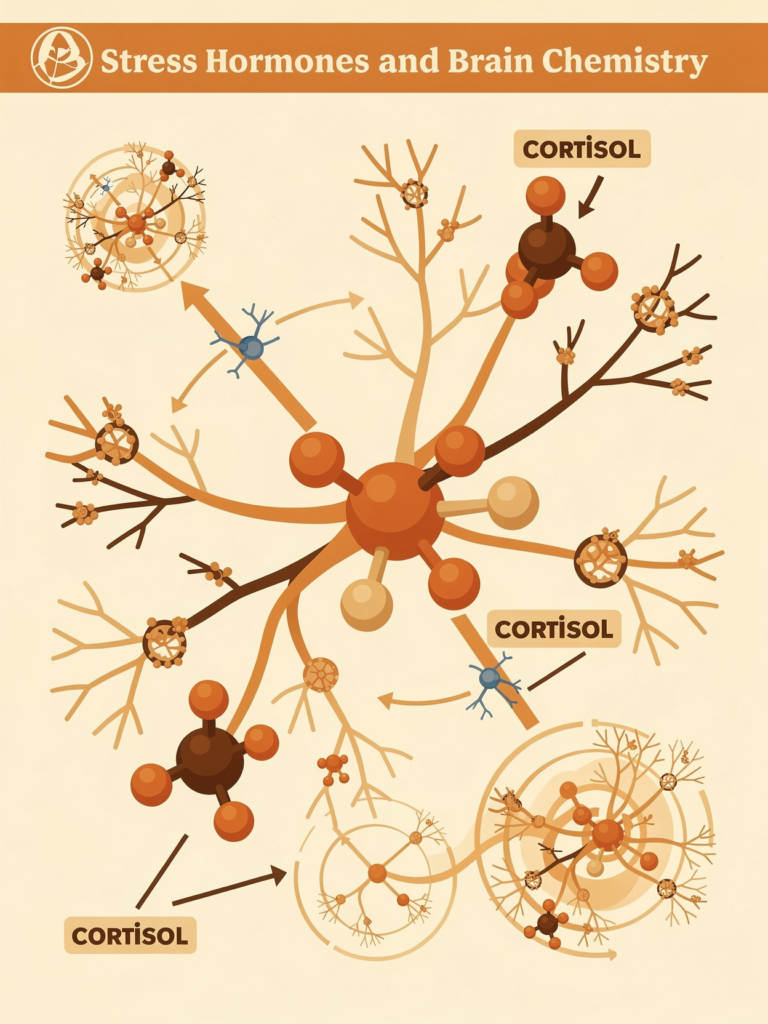
Emotional eating isn’t a lack of willpower, it’s biology.
The American Psychological Association notes that stress increases cortisol levels, which can increase cravings for high-calorie foods. When food intake changes, your brain must adapt to new coping mechanisms.
That adjustment period can take time.
In direct primary care, we often normalize this phase. Emotional recalibration is part of sustainable weight loss.
How to Navigate the Emotional Side of Eating Less
Navigating this phase requires compassion and a new set of “tools.” Here are evidence-informed strategies to help you through the transition:
- Name the Feeling
- Build a New Coping Toolbox
- Prioritize Stable Nutrition
- Seek Mental Health Support
- Reframe the Journey
1. Name the Feeling
Instead of reaching for food automatically, pause and label what you are experiencing. Are you stressed? Lonely? Bored? Research shows that simply labeling an emotion can reduce its intensity by activating the brain’s prefrontal cortex.
A simple practice: “I’m noticing I feel anxious right now.”
No judgment. Just awareness.
2. Build a New “Coping Toolbox”
Since food is no longer the primary source of comfort, you need alternatives that help form new reward pathways in the brain. Consider:
- A 10-minute walk outside
- Connecting with a friend
- Journaling
- Deep breathing exercises
- A warm shower or bath
- Listening to your favorite music / watching a show
These may not feel as immediately soothing at first, but over time, your brain forms new reward pathways.
3. Prioritize Stable Nutrition
Eating less does not mean undernourishing yourself.
Focus on:
- Protein-rich meals
- Fiber from vegetables and whole foods
- Healthy fats
- Hydration
Stable blood sugar leads to a stable mood. If you feel “hangry” or persistently fatigued, focus on protein-rich meals, fiber from whole foods, hydration, and healthy fats.
4. Seek Mental Health Support

Therapy can be transformative, especially if food has long been tied to trauma or chronic stress.
Cognitive Behavioral Therapy (CBT) and mindfulness-based interventions have strong evidence for improving emotional eating patterns.
5. Reframe the Journey
Instead of thinking:
“I can’t eat like I used to.”
Try:
“I’m learning new ways to care for myself.”
Weight loss is not about restriction; it’s about restoration.
Are you looking for weight loss support that honors the whole person?
At NiuOla Health, we provide medically supervised, compassion-driven care. Whether you are in Olympia, Washington, or seeking telehealth support across the state, we’re here to help you navigate the physical and emotional journey of health restoration.
- Medically supervised
- Root-cause focused
- Compassion-driven
- Non-shaming
We understand that weight management isn’t just physical. It’s deeply emotional.
And you deserve care that honors both.
You Are Not Weak for Feeling This Way
If emotions have surfaced since you started eating less, please know:
- You are not failing.
- You are not dramatic.
- You are not alone.
- You are adjusting.
Sustainable change takes patience. Your brain and body are learning new rhythms. That’s growth, not weakness.
Ready for Support in Olympia or via Telehealth?
If you’re navigating the emotional side of eating less and want medical guidance that treats the whole person, not just the scale, NiuOla Health is here for you.
Whether you’re exploring weight loss medications, direct primary care, or a personalized metabolic health plan, we’ll walk alongside you with empathy and expertise.
📍 Serving Olympia, Washington and surrounding communities
💻 Telehealth visits available across Washington State
Schedule your visit today and take the next step toward a healthier relationship with your body emotionally and physically.
