
Is Brain Fog Taking Over? How Menopause Affects Your Mind and What You Can Do About It
February 2, 2026
Discover what’s behind the mental cloudiness and how to find clarity again.
It Starts Subtly
It starts subtly, misplacing your keys more often, forgetting a word mid-sentence, or feeling like your thoughts are wrapped in cotton. If this sounds familiar and you’re in your 40s or 50s, you’re not alone. These cognitive changes, often described as brain fog, are a common but under-discussed symptom of perimenopause and menopause.
At NiuOla Health, we believe in educating and empowering our patients to understand what’s happening in their bodies, especially during major life transitions like menopause. Let’s explore what brain fog is, why it happens, and how to find clarity again.
What Is Brain Fog?
Brain fog isn’t a medical diagnosis, but it’s a real experience. Women often describe it as:
- Trouble concentrating or focusing
- Forgetfulness
- Mental fatigue
- Difficulty finding words
- Slower thinking or problem-solving
It can feel frustrating, especially if you’re used to being sharp and efficient. The good news? You’re not “losing it”, your brain is responding to real hormonal shifts.
The Hormonal Connection
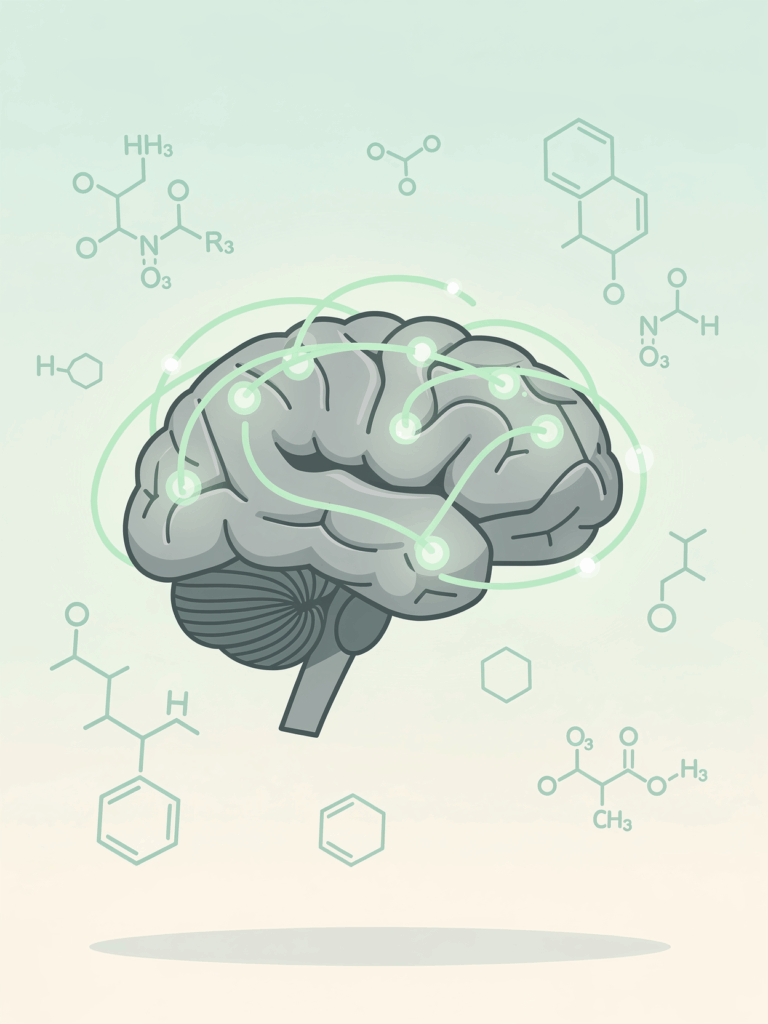
Estrogen isn’t just about reproductive health, it also plays a key role in brain function. During perimenopause and menopause, estrogen levels fluctuate and eventually decline, which can impact:
- Memory and cognition
- Sleep quality (which further affects focus)
- Mood regulation
Low estrogen levels may reduce blood flow to the brain and alter how neurotransmitters like serotonin and dopamine function, contributing to feelings of fogginess or forgetfulness.
Other Contributing Factors
While hormones are a major driver, they’re not the only factor. Brain fog may also be worsened by:
- Poor sleep or insomnia
- Chronic stress
- Nutrient deficiencies (like B12 or iron)
- Thyroid imbalances
- Lack of physical activity
- Underlying medical conditions
That’s why a personalized medical evaluation is key to understanding what’s behind your symptoms.
What You Can Do About It
Compassionate, personalized care
At NiuOla Health, we offer compassionate, personalized care to help women feel like themselves again. Here are some strategies we often recommend:
1. Get Your Hormones Checked

Understanding your hormone levels is the first step. You may benefit from lifestyle adjustments, supplements, or even hormone therapy based on your unique profile and needs.
Hormone testing can be a helpful tool during perimenopause, but it has important limitations. Estrogen and other reproductive hormones can swing dramatically from day to day (and even within the same day), so a single “normal” or “low” value doesn’t always match how you actually feel.
Because of this natural variability, treatment decisions during perimenopause are often guided more by symptoms than by labs alone. Lab work is most useful when it gives context over time. For instance, obtaining a baseline set of hormone levels and subsequently repeating them approximately 10–14 days later can reveal the extent of their fluctuations. This kind of comparison can help confirm that what you’re experiencing is hormonally driven, rule out other issues (like thyroid or significant nutrient deficiencies), and support a more personalized plan, without overpromising that numbers on a page will tell the whole story.
2. Support Your Brain Through Nutrition
Fuel your brain with whole foods rich in omega-3s, antioxidants, and B vitamins. Stay hydrated and avoid excessive caffeine or sugar, which can spike and crash your energy.
3. Prioritize Sleep
Good sleep is non-negotiable for cognitive health. If you’re struggling with insomnia or night sweats, talk to your provider, there are treatment options that can help.
4. Move Your Body
Regular exercise boosts blood flow to the brain and can improve both mood and memory.
5. Practice Stress Management
Chronic stress can worsen brain fog. Mindfulness, journaling, gentle movement, and therapy are all powerful tools to clear mental clutter.
You Deserve to Feel Clear and Connected
Brain fog during perimenopause and menopause is common, but that doesn’t mean you have to live with it. At NiuOla Health, we’re here to walk with you through every stage of life, providing the care, clarity, and compassion you need to feel your best.
Are you experiencing the effects of brain fog or other menopause symptoms? You don’t have to navigate this alone. Dr. Tui Lauilefue and the NiuOla Health team are here to listen and partner with you, helping to craft a personalized plan that brings clarity and vibrancy back into your life.
